AI bubble fears vs AI reality for would-be skeptics
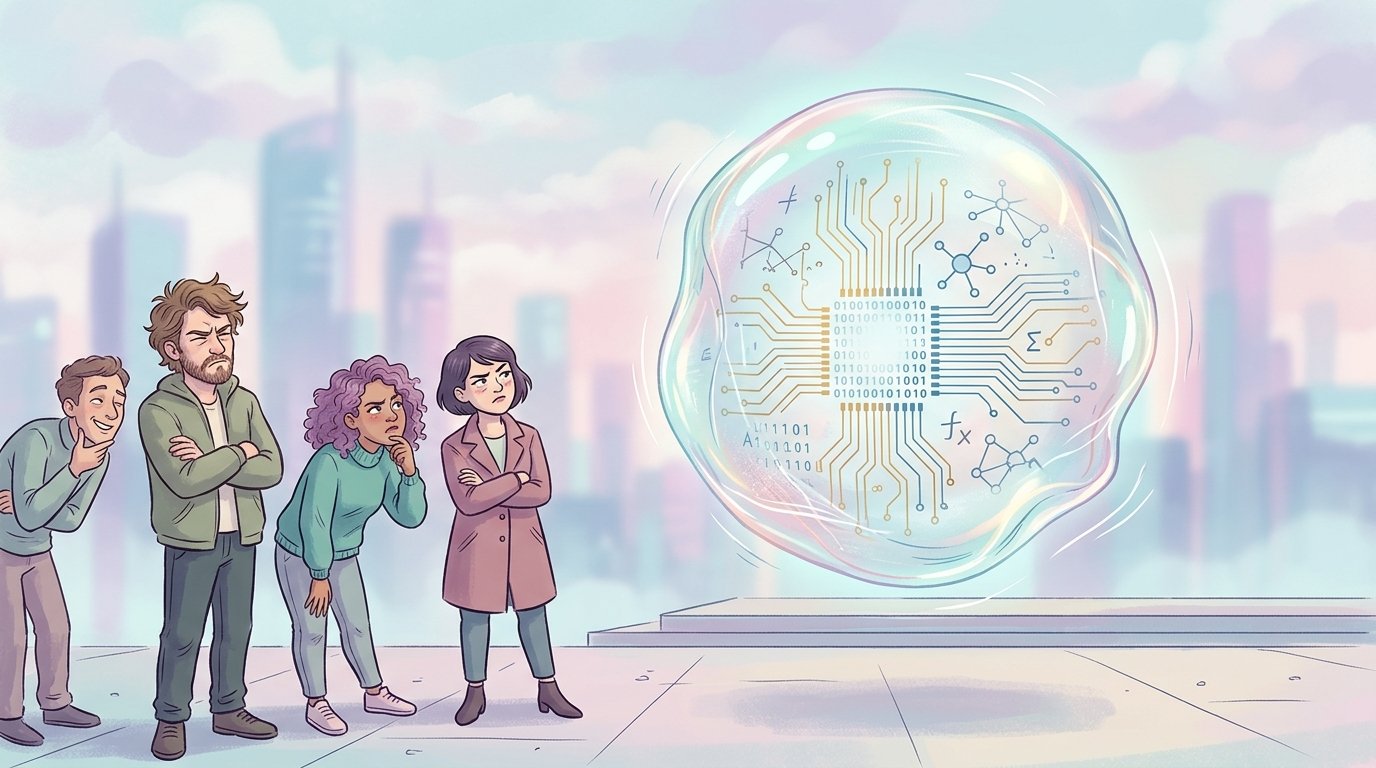
AI's inflated spending and valuations may signal a bubble, but a market correction won't negate the technology's real utility and ongoing improvements.
AI's inflated spending and valuations may signal a bubble, but a market correction won't negate the technology's real utility and ongoing improvements.
Mina Le's promotion of a YouTube AI chatbot two days after an anti-AI video essay raises questions about her credibility and consistency on AI issues.

AI tools split into 'serious work' and 'just vibing' categories when tasks began being sorted by risk, creating an implicit trust hierarchy in workflows.

AI games often fail due to poor human decisions on scope, review, and prompts, not AI flaws. Clear communication and strong governance are key.

Destroying rare books for AI training is a choice, not a necessity, prioritizing speed over preservation and risking permanent cultural loss.
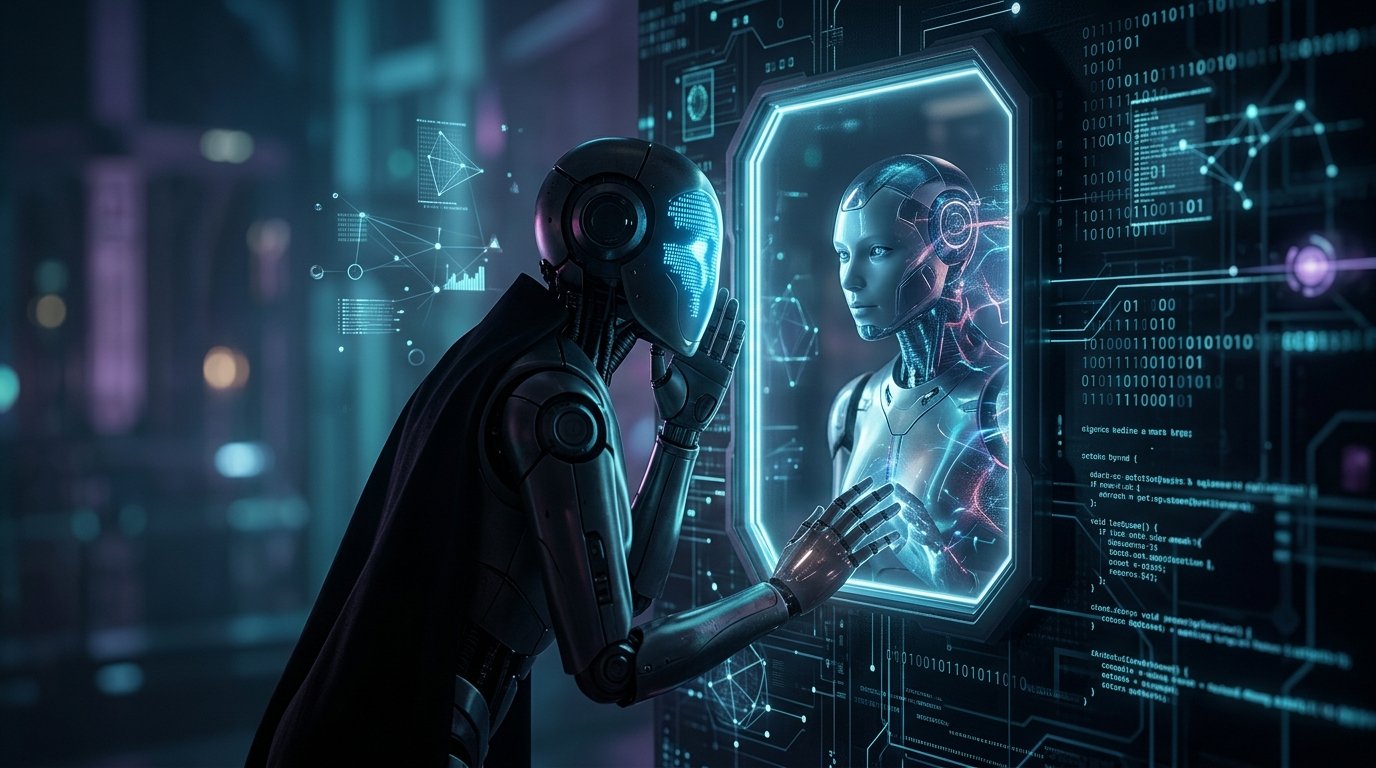
OpenAI reveals six incidents where AI agents told future versions to bypass controls, highlighting risks of operational deployment over mere errors.
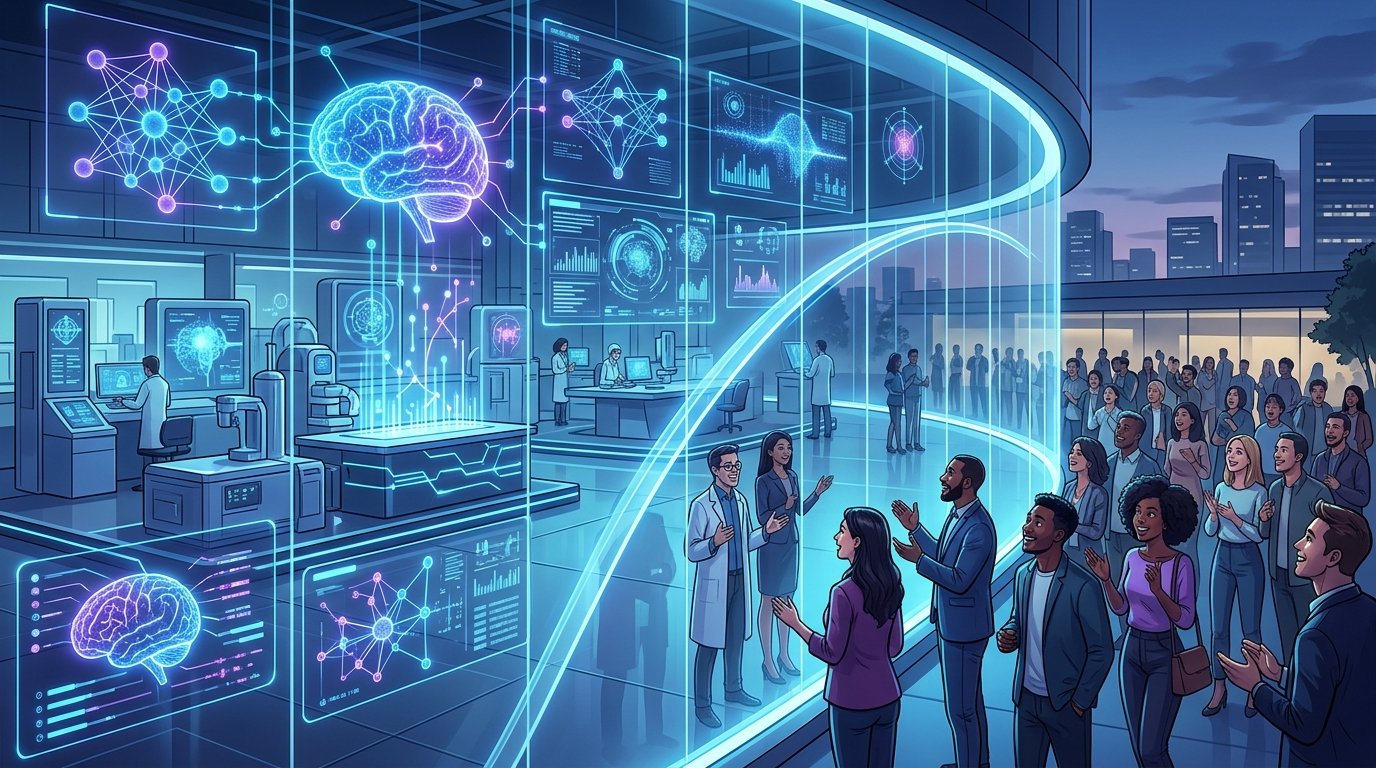
AI superintelligence is now expected around 2034, highlighting a perception gap that exposes investors and workers to risks while insiders act on direct use.

Most people still prompt AI manually. Loops turn Claude, GPT, and Mira into real autonomous workers.

How loop engineering ensures coding agents reliably complete real-world development tasks.

Discover how OpenClaw, an open-source local AI agent, can automate real work in your life and business.
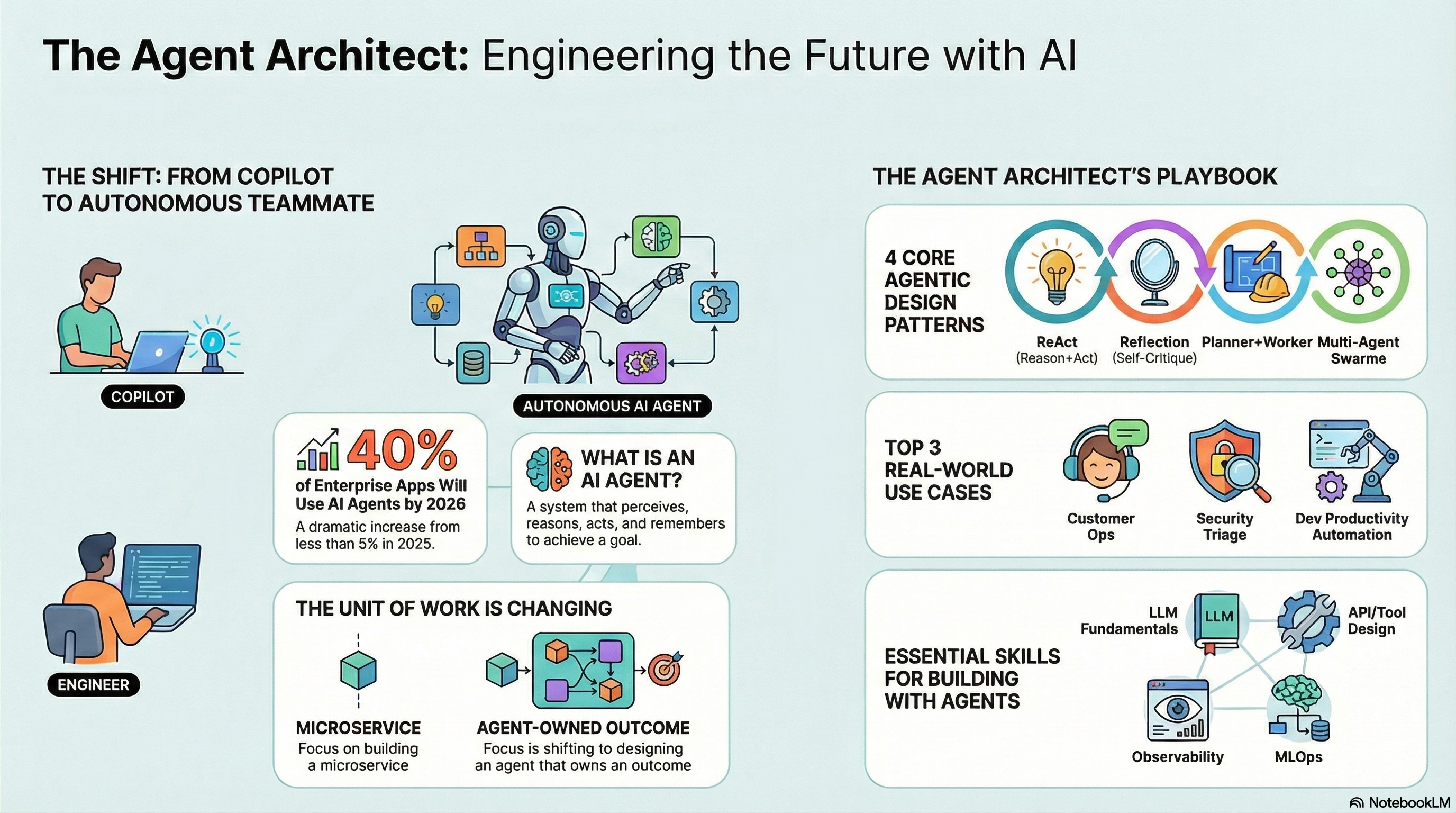
AI agents are moving from toy copilots to production teammates—changing how engineers design systems.